
Food and Beverage Supply Chain Planning
Food and beverage demand turns with the weather and the trade calendar, and every case leaves the line with a date on it. DemandLabs plans lines and co-packers against that demand and tracks the remaining shelf life of stock in every DC.
What Shapes Food and Beverage Planning
Food and beverage plans are set by the date on the pack, the line time lost to changeovers and the weather.
Retailers Refuse Short-Dated Stock
Many retail customers set a minimum remaining shelf life on delivery. A pallet can be in date and still be turned away at the DC, so stock has to ship while it qualifies.
Every Recipe Change Costs Line Time
Switching a line between flavors, pack sizes or allergen profiles means cleaning and setup. Long runs save changeover time but build stock that ages in the warehouse.
Demand Moves With the Temperature
Beverages, ice cream and barbecue lines sell with the temperature, and a warm weekend can empty the shelf. Soups and hot drinks move the other way when it turns cold.
Solutions for Food and Beverage
The DemandLabs applications that fit food and beverage, and how each one handles the planning.
Weather and retailer POS update the near-term beverage and ice cream forecast every day, so a heat wave enters the plan when it enters the weather forecast. Promotions on pantry lines carry a pull-forward estimate for the dip that follows.
Explore demand planningChangeovers, crew rosters and minimum run sizes solve with line capacity across your plants and co-packers. When a promotion and a seasonal peak land on the same line, each fix arrives priced against the orders it protects.
Explore supply planningExpiry dates and remaining shelf life feed the aging view, so short-dated cases in each DC are flagged while there is still time to sell them. Each SKU comes with its own recovery play.
Explore inventory optimizationIngredient, packaging and freight cost moves roll into each SKU's landed cost, and the price recommended for each retailer is ready before the next negotiation.
Explore revenue growth managementHow Food and Beverage Planning Connects
A weather shift or a promotion reaches the line plan, the dated stock in each DC and the brand margin in the same cycle.
Sell-Out Forecast
- Retailer POS
- Weather
- Trade promotions
Line Plan
- Changeovers
- Crew rosters
- Co-packers
Ingredient Plan
- Commodity inputs
- Packaging
- Supplier lead times
Dated Stock
- Remaining shelf life
- DC buffers
- Service targets
Brand Margin
- Input costs
- Trade spend
- Write-offs
Built for Food and Beverage
Food and beverage planning trades long, efficient runs against the days left on each case.
Short-Dated Stock Flagged Early
Remaining shelf life for stock at each DC feeds the aging view, so short-dated cases surface while a recovery play can still work.
Changeovers Inside the Line Plan
The line plan counts the time lost to each recipe and pack change, alongside crew rosters and minimum run sizes.
Weather in the Near-Term Forecast
Temperature forecasts feed the near-term number by region, so drinks, ice cream and soup plans move before the week arrives.
Input Costs Carried to Price
Cocoa, sugar, grain and packaging increases carry through to landed cost, so each retail account gets a price recommendation.
Planning Notes for Food and Beverage
See all notes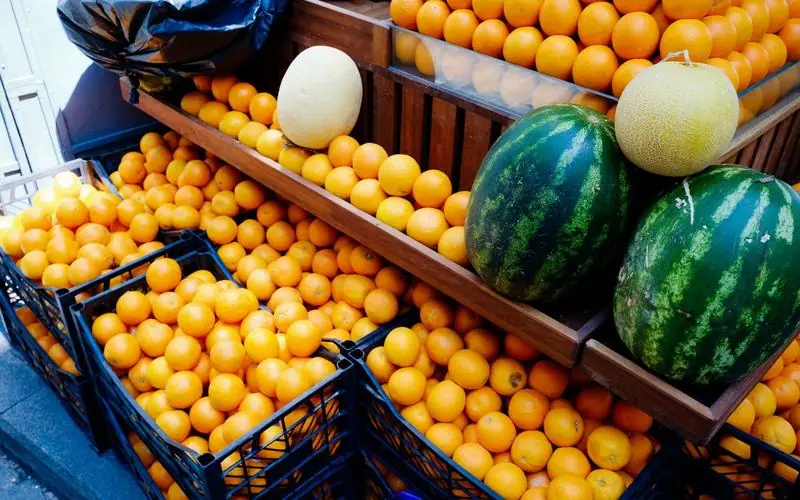
Perishable supply chain planning when shelf life starts in the field
Perishable supply chain planning treats shelf life as a budget spent from harvest, with thermal history, ripening control and lot allocation as levers.
18 August 20269 min read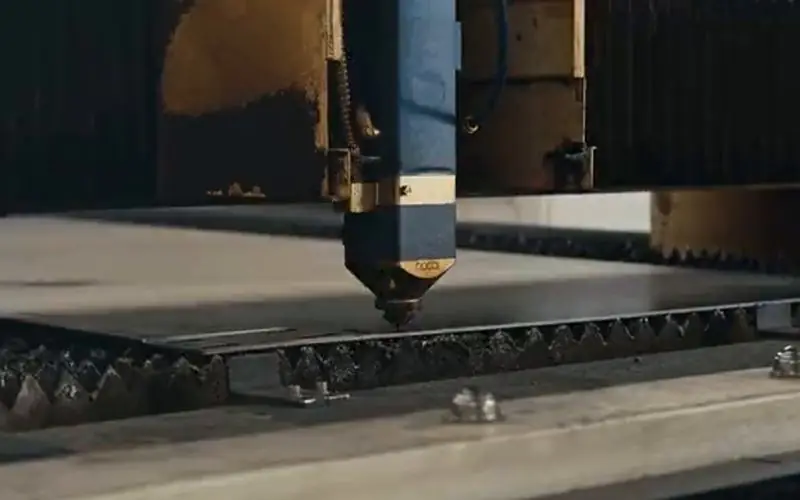
Why the plan the system published cannot be built
Finite capacity planning against an MRP run that assumes infinite capacity: what a constrained solve adds, one shared constraint set, and the data to fix.
22 August 20269 min read
Moving trade spend to the events that returned
Trade spend allocation as a reallocation problem: moving budget toward measured returns, the patterns that recur, and the supply check before it is set.
22 August 20269 min readFood and Beverage Planning FAQs
Does DemandLabs plan around shelf life?
Remaining shelf life sits in the aging view next to stock value, and each short-dated SKU gets a recovery play while there is time to use it.
Can weather change the forecast?
Weather enters as a driver of the near-term forecast next to retailer POS, so a hot or cold spell updates the plan for items that follow the temperature.
Are changeovers part of the line plan?
Each changeover between flavors, packs or allergen profiles takes line time in the finite-capacity solve, next to crew rosters and minimum runs at your plants and co-packers.
How long does implementation take?
Eight weeks to the first live cycle for one planning area, with a value review with your CFO in week 10.
See Your Line Plan and Dated Stock Together
A 45-minute walkthrough on your own data.