
Hardlines Supply Chain Planning
Hardlines retailers stock deep catalogs of tools, hardware and home goods beside seasonal ranges that follow the weather. DemandLabs forecasts slow items with intermittent-demand methods, reads the weather into seasonal ranges and ranks import orders by risk.
What Shapes Hardlines Planning
Hardlines demand is a long tail of slow items, a season set by the weather and bulky goods that are costly to move.
Deep Catalogs of Slow Items
A home improvement store carries a deep catalog of fasteners, fittings and tools that move a handful of units per store each month. Many weeks show no sales, which breaks forecasts built on averages.
The Weather Sets the Season
Lawn and garden, grills, fans and heaters sell when the weather turns. An early spring or a late frost moves weeks of sales, and most of the stock was ordered months before.
Big Items Are Costly to Move
Patio sets, appliances and lumber take space in trucks, DCs and stores. Moving a misplaced unit between stores can cost more than the margin it earns.
Solutions for Hardlines
The DemandLabs applications that fit hardlines, and how each one handles the planning.
Slow items such as fittings and fasteners use Croston, SBA or TSB, each backtested against your own history and current forecast before go-live. Weather refreshes the near-term forecast for garden, cooling and heating ranges.
Explore demand planningMulti-echelon buffers set how much of each slow item sits in stores and how much waits at the DC, re-solved each week. Service targets by product family show the inventory each one needs before you commit.
Explore inventory optimizationEach open import order carries a composite risk score built from supplier and lane signals, including port congestion, and the riskiest orders come with the reroute or expedite staged and priced.
Explore supplier riskTariff and freight moves on imported goods feed landed cost and a recommended shelf price, so a duty change on grills or power tools is priced before the season's stock lands.
Explore revenue growth managementHow Hardlines Planning Connects
An import order links to the seasonal forecast it serves, the stores that will hold it and its landed cost.
Item Forecast
- Store sales
- Weather
- Slow movers
Import Orders
- Ocean lanes
- Supplier lead times
- Port congestion
DC Stock
- Import DCs
- Regional DCs
- Safety stock
Store Stock
- Service targets
- Store buffers
- Transfers
Landed Margin
- Tariffs
- Freight
- Stock value
Built for Hardlines
Hardlines planning has to cover the slow catalog and the weather season at once.
Methods for the Long Tail
A fitting that sells now and then is forecast with an intermittent-demand method in place of a moving average.
Weather in Seasonal Ranges
Each store's near-term forecast reads the local weather, so an early spring lifts garden lines in the regions it reaches first.
Transfers Priced for Bulky Goods
Each transfer proposal shows the freight cost of moving a large item next to the fill-rate gain it buys.
Seasonal Imports Watched by Lane
Port congestion and weather feed each supplier's risk score, so congestion at a port moves the import orders that pass through it up the list.
Planning Notes for Hardlines
See all notes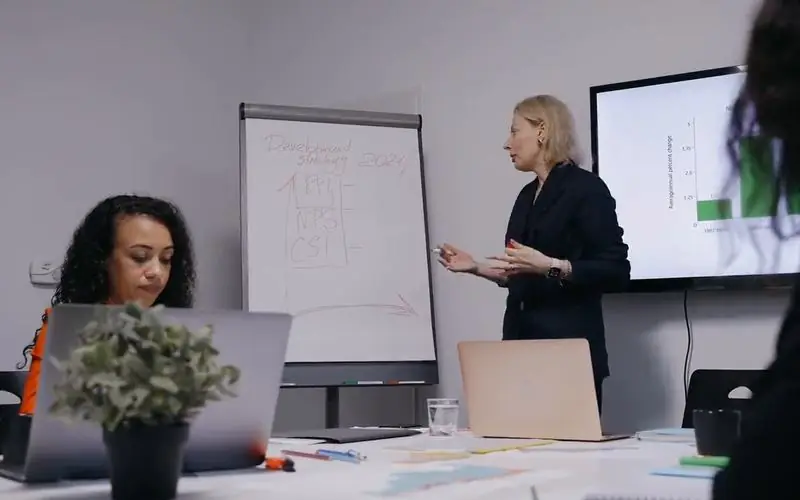
Some demand is not forecastable, and the number proves it before you buy
Forecastability measured before you buy: the naive baseline floor, how error explodes as the grain gets finer, and what an accuracy quote without one hides.
23 August 20268 min read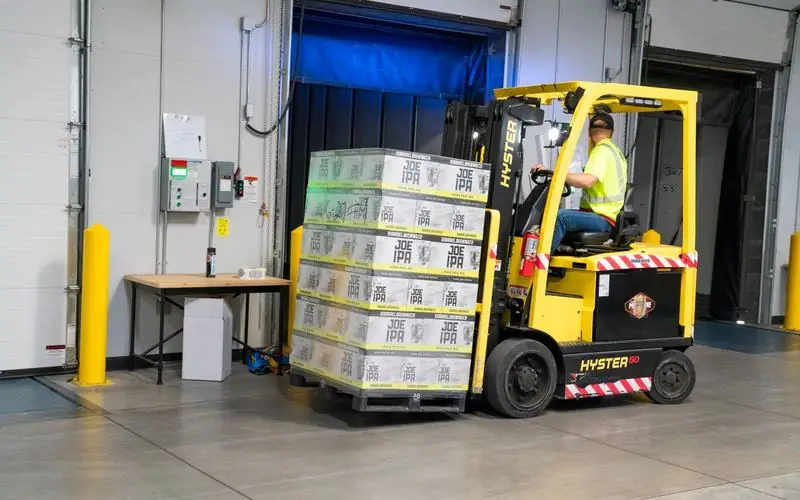
Where to hold the buffer, once you accept you cannot hold it everywhere
Multi-echelon inventory optimization stops every node buffering the same variability: guaranteed service, stochastic service, and the inputs that decide it.
23 August 20269 min read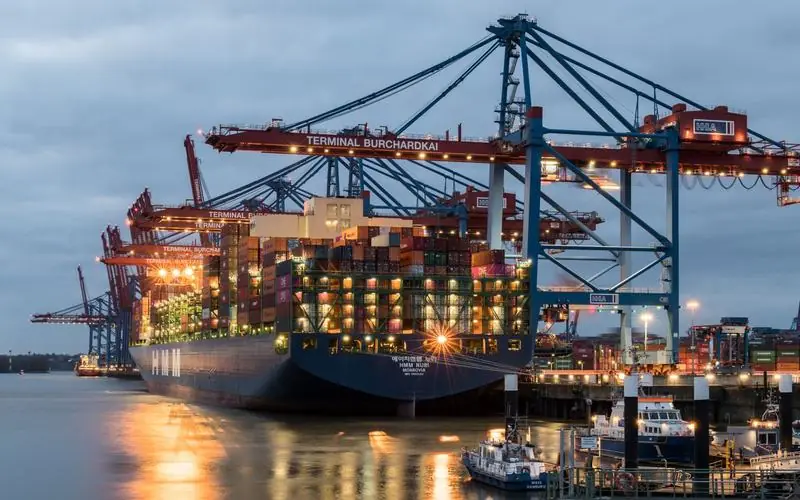
What the incoterm on your purchase order does to your inventory and lead time
How to read the incoterm on a purchase order as a planning parameter: which lead time legs you own, when in-transit stock becomes yours, and where cargo risk sits.
15 September 202610 min readHardlines Planning FAQs
Can it forecast items that rarely sell?
Croston, SBA and TSB cover items with long gaps between sales, and each method is backtested against your current forecast before go-live.
Does weather change the seasonal forecast?
Weather enters the near-term forecast as a driver for each store, so garden, cooling and heating lines follow the season where it arrives.
Can we see the risk on import orders?
Import orders are ranked by a composite score from financial filings, news, port congestion and weather, with the reroute or expedite staged and priced.
How long does implementation take?
Eight weeks to the first live cycle for one planning area, with a value review with your CFO in week 10.
See Your Seasonal Imports Ranked by Risk
A 45-minute walkthrough on your own data.